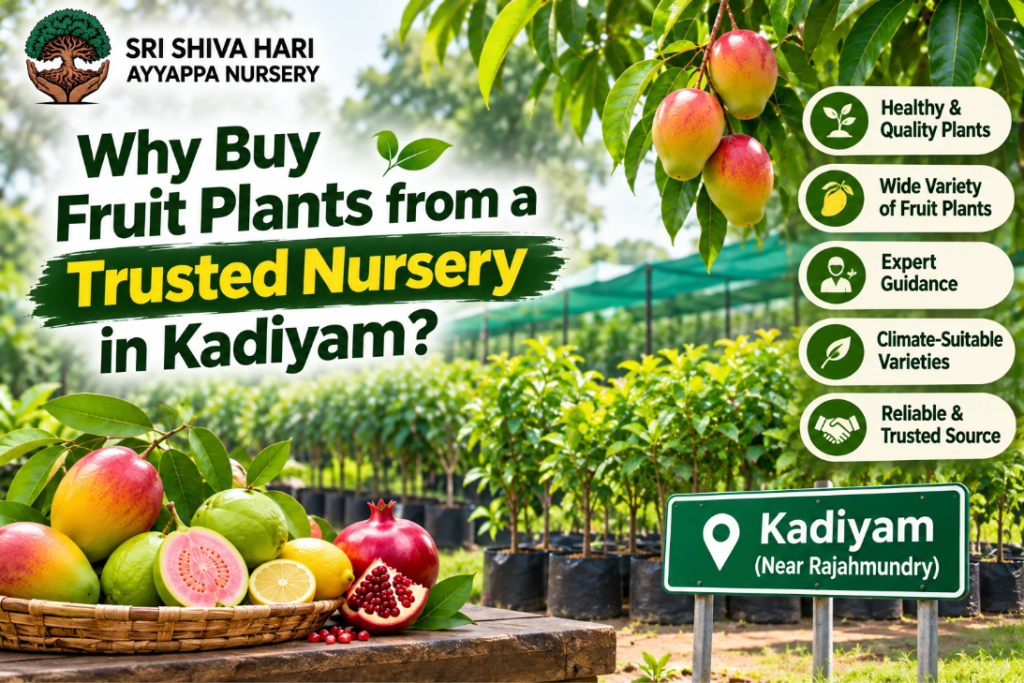
Why Buy Fruit Plants from a Trusted Nursery in Kadiyam?
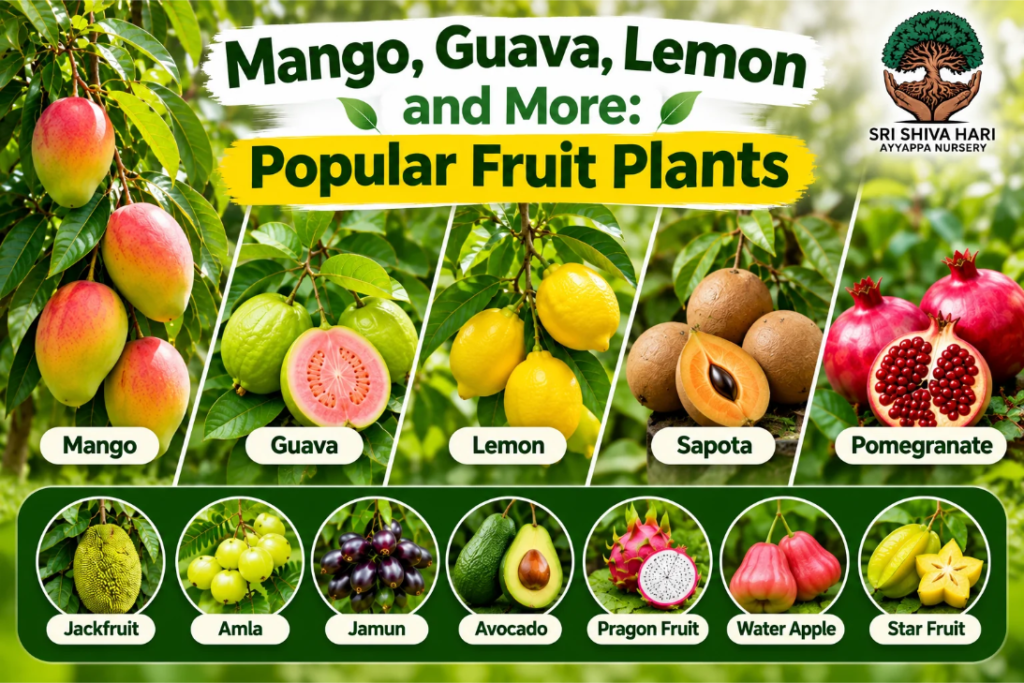
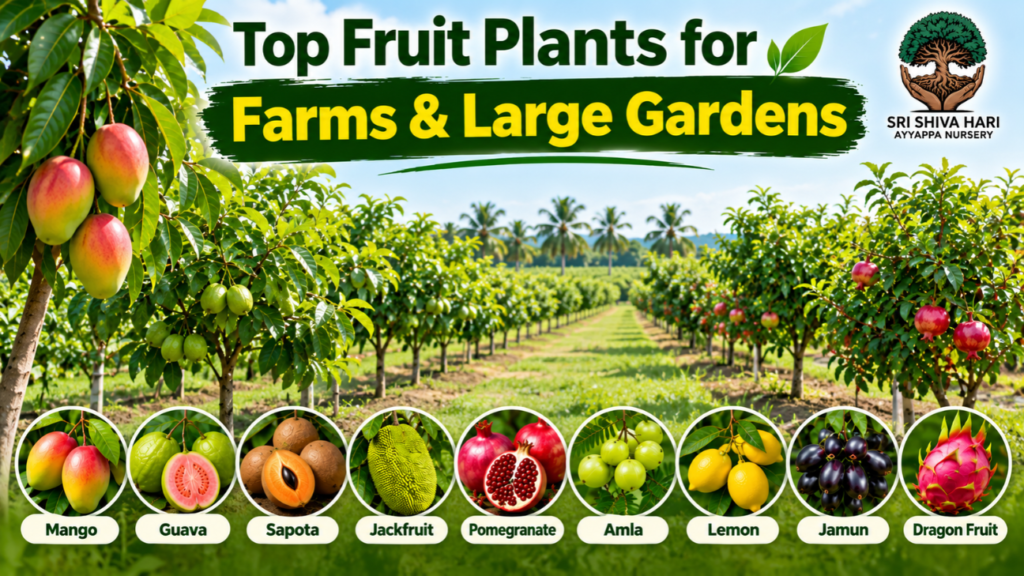
Why Buy Fruit Plants from a Trusted Nursery in Kadiyam? Have you ever bought a beautiful fruit plant, brought it home with excitement, and watched it struggle to grow a few weeks later? It can be disappointing, especially when you have already spent time preparing the soil, watering the plant, and imagining the fruits it might produce. Sometimes, the problem is not how you care for the plant. It may begin with the quality of the planting material, the variety you selected, or whether the plant was suitable for your local growing conditions. That is why choosing the right nursery matters. If you are planning to grow mango, guava, lemon, sapota, pomegranate, or other fruit plants, buying from a trusted nursery can help you make a more informed decision. Kadiyam, located near Rajahmundry in Andhra Pradesh, is widely known for its plant nurseries and horticultural activities. The region attracts home gardeners, farmers, landscapers, and plant buyers looking for different varieties of greenery. But what makes buying fruit plants from a reliable nursery in Kadiyam a sensible choice? Let’s explore the benefits and understand what you should look for before purchasing. 1. Better Chances of Getting Healthy Fruit Plants The first thing most people notice when visiting a nursery is how green and attractive the plants look. However, healthy plants are not always identified by their appearance alone. A reliable nursery should be able to help you examine the overall condition of a plant before purchasing it. When selecting fruit plants, look for: For example, if you are buying a mango plant, do not choose it simply because it is taller than the others. A smaller plant with healthy roots and balanced growth may establish more successfully. Buying healthy planting material gives your garden a better starting point, although proper care after planting is still essential. 2. Access to Different Fruit Plant Varieties One of the advantages of exploring nurseries in Kadiyam is the opportunity to compare different types of fruit plants. Depending on the nursery and current availability, you may find varieties such as: Mango Plants Mango is a popular choice for spacious home gardens, farmhouses, and agricultural properties. Different varieties may have different fruit characteristics, growth habits, and cultivation requirements. Guava Plants Guava plants are popular among home gardeners because they produce familiar, edible fruit and can be managed through appropriate pruning. Lemon Plants Lemon plants are practical for household gardens. Selected varieties may also be suitable for growing in large containers. Sapota Plants Sapota, commonly called chikoo, is known for its sweet fruit and can be considered for gardens with sufficient planting space. Pomegranate Plants Pomegranate can be an attractive addition to a fruit garden. Its growth habit and care requirements depend on the selected variety. Jackfruit Plants Jackfruit trees are generally better suited to larger gardens and farms because they can grow into substantial trees. Amla Plants Amla, or Indian gooseberry, is a traditional fruit plant used in various Indian food preparations. Dragon Fruit Plants Dragon fruit is an interesting option for people interested in specialty fruit cultivation. Unlike conventional fruit trees, it grows on a climbing cactus and requires support. Other varieties, such as jamun, avocado, star fruit, and water apple, may also be available at selected nurseries. Having different options allows you to choose fruit plants based on your garden size, personal preferences, and local growing conditions. 3. Guidance on Choosing the Right Fruit Plants Imagine visiting a nursery and asking for a mango plant. The nursery staff may ask you a simple question: “Are you planting it in a small backyard or on a large farm?” That question matters because the same fruit category can include varieties with different growth characteristics. A knowledgeable nursery can help you consider: For example, someone with a small garden may benefit from exploring suitable compact fruit varieties, while a farmer planning an orchard needs to consider spacing, irrigation, and long-term cultivation requirements. The right guidance can help you avoid purchasing a plant that does not suit your property. 4. Opportunity to Inspect Plants Before Buying Buying fruit plants is different from buying ordinary household products. A plant is a living organism, and its condition can change depending on how it has been grown, handled, and maintained. Visiting a nursery allows you to inspect the plant in person. You can check its leaves, stems, pot condition, and overall structure. You can also compare several plants of the same variety before choosing one. For grafted fruit plants, ask about the graft union and whether the plant has been properly established. If you notice unusual leaf spots, damaged branches, or visible insects, you can ask questions before purchasing. This hands-on experience is particularly useful for beginners who are still learning how to identify healthy fruit plants. 5. Understanding Grafted and Seed-Grown Fruit Plants When buying fruit plants, one important detail is often overlooked: how the plant was propagated. Some fruit plants are grown from seeds, while others are propagated through grafting, budding, or other horticultural methods. The propagation method can influence the plant’s characteristics and fruiting behaviour. For many fruit crops, grafting is used to reproduce desirable characteristics of a selected variety. However, not every grafted plant will automatically grow faster or produce better fruit. Results depend on the species, variety, rootstock, growing conditions, and care. Before purchasing, ask: A nursery that can explain these details helps you understand what you are buying. 6. Choosing Plants Suitable for Andhra Pradesh’s Climate Andhra Pradesh experiences different growing conditions across its coastal, inland, and elevated regions. A fruit plant that grows well in one location may need additional care or may not be suitable for another. Many tropical fruit plants, including mango, guava, sapota, and jackfruit, can grow in suitable parts of Andhra Pradesh. However, their performance depends on the variety, soil, rainfall, irrigation, and local temperatures. When buying fruit plants in Kadiyam, explain where you intend to grow them. For example, if you are purchasing plants for a farm in another
Why Buy Fruit Plants from a Trusted Nursery in Kadiyam? Read More »