Best Garden Nursery in Kadiyam for Every Budget
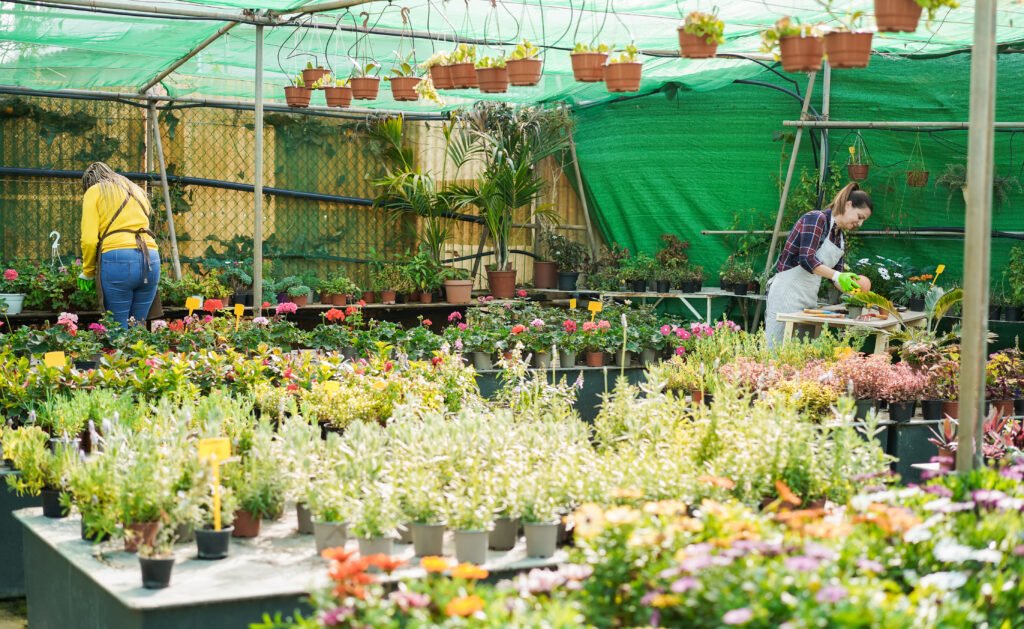
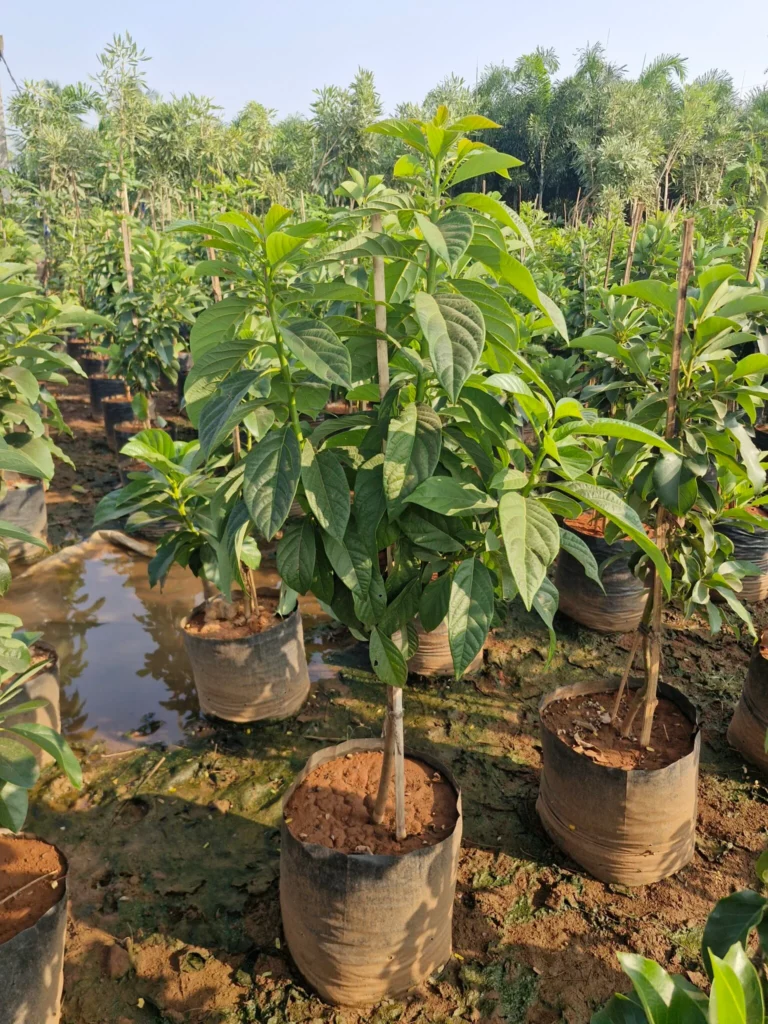
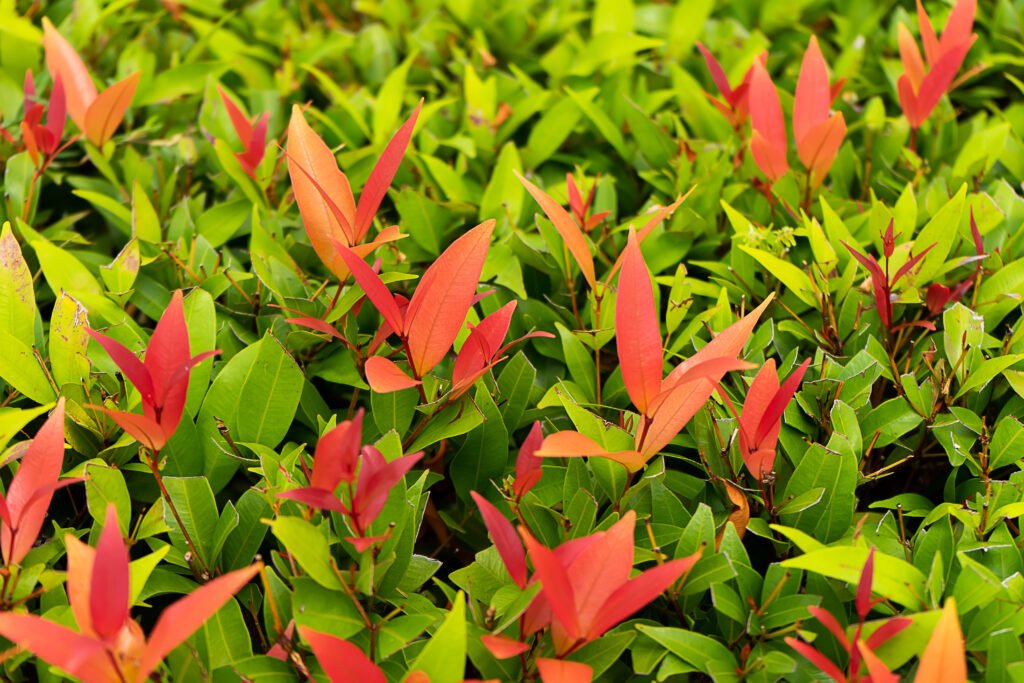
Best Garden Nursery in Kadiyam for Every Budget A beautiful garden does not have to be very expensive. Whether you are adding a plants to your home or making a big garden you need to find a nursery that sells healthy plants at prices that are not too high. If you are looking for the garden nursery in Kadiyam that fits your budget you will find that Kadiyam is a very popular place in Andhra Pradesh for good quality plants. Among the nurseries in Kadiyam, Sri Shiva Hari Ayyappa Nursery is well known for selling a wide variety of healthy plants at prices that are easy on the pocket and providing great customer service. Why Kadiyam Is Famous for Plant Nurseries ? Kadiyam is known for being one of the places for nurseries in South India. The soil in Kadiyam is good for plants the weather is nice. The people there have been growing plants for a long time. All these things make Kadiyam a great place for growing different kinds of plants. Every year many people visit Kadiyam to buy plants for their homes, gardens and farms. People trust the plants from Kadiyam because they are healthy and look good. Why Choose a Garden Nursery in Kadiyam? When you buy plants from a nursery you get plants that are healthy and do not need a lot of care. A good garden nursery should have: These things help people make gardens without spending too much money. Sri Shiva Hari Ayyappa Nursery – A Trusted Choice Sri Shiva Hari Ayyappa Nursery is one of the nurseries in Kadiyam. It is known for growing quality plants and making customers happy. The nursery grows each plant carefully so that it has roots and is healthy. Whether you are just starting to grow plants. You are a professional Sri Shiva Hari Ayyappa Nursery has plants that fit your needs and budget. You can find different kinds of plants at Sri Shiva Hari Ayyappa Nursery, such as: With so many plants to choose from you can easily find the ones that fit your space and style. Healthy Plants That Longer Healthy plants are the key to a beautiful garden. Plants with roots grow well and stay healthy with proper care. At Sri Shiva Hari Ayyappa Nursery the plants are grown using methods. This means that the plants you buy are healthy look good and will thrive in their home. Affordable Plants for Every Budget Gardening should be fun and not too expensive. Sri Shiva Hari Ayyappa Nursery sells plants at prices that’re competitive without sacrificing quality. You can buy a plants for your home or a lot of plants for a big project and you will find options that fit your budget. The nursery sells to both individuals and businesses making it a convenient choice for any project. Expert Guidance for Gardening Choosing the plants is just the beginning. You also need to know how to take care of them. The people at Sri Shiva Hari Ayyappa Nursery can give you advice on: This advice helps you keep your plants healthy and have a beautiful garden. Perfect for Every Gardening Project Sri Shiva Hari Ayyappa Nursery has plants for different kinds of projects including: No matter how big or small your project is the nursery has good quality plants to help you make it happen. Why Customers Trust Sri Shiva Hari Ayyappa Nursery ? People keep coming to Sri Shiva Hari Ayyappa Nursery because it has: The nursery is committed to quality and making customers happy which is why it is one of the most trusted nurseries in Kadiyam. If you are looking for the garden nursery in Kadiyam that fits your budget Sri Shiva Hari Ayyappa Nursery is a great choice. From plants for inside your home to plants for landscaping projects the nursery has everything you need to make a beautiful and healthy garden. Whether you are just starting to garden or you are working on a project you will find good quality plants, prices that are not too high and expert help all in one place. Visit Sri Shiva Hari Ayyappa Nursery. See why it is a favorite, among people who love plants in Andhra Pradesh.
Best Garden Nursery in Kadiyam for Every Budget Read More »