
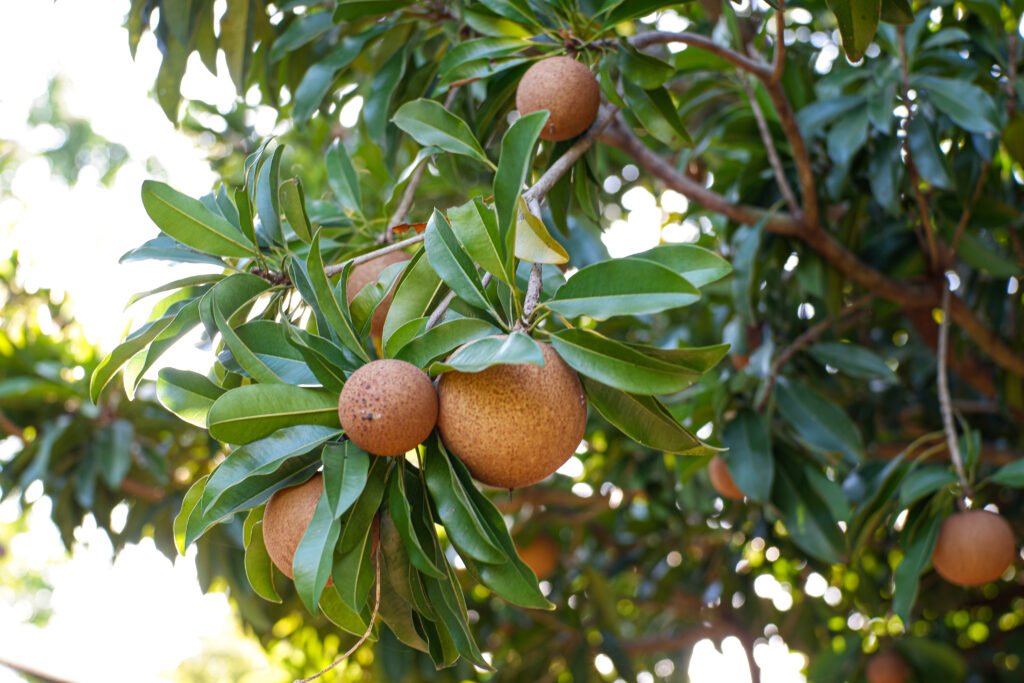
Sapota Plant Care: Tips for Healthy Growth and Better Yield
Sapota, also known as chikoo, is a delicious tropical fruit loved for its sweet taste and nutritional value. Growing a Sapota plant in your home garden is a wonderful way to enjoy fresh fruit while adding greenery to your space. However, like any fruit tree, proper care is essential to ensure healthy growth and a good harvest.
With the right attention and simple gardening practices, Sapota plants can thrive for many years and produce abundant fruits.
Choosing the Right Location
The first step in growing a healthy Sapota plant is selecting the right place in your garden. Sapota trees grow best in warm climates and require plenty of sunlight to develop strong roots and healthy fruits.
For best results:
- Plant the Sapota tree in an area that receives full sunlight for most of the day.
- Ensure there is enough space for the tree to grow without obstruction.
- Avoid areas where water collects during heavy rains.
A sunny and open space helps the plant grow faster and improves fruit production.
Proper Watering for Healthy Growth
Watering plays an important role in the early stages of Sapota plant growth. Young plants need regular watering so that their roots can establish properly.
Helpful watering tips:
- Water regularly during the first year after planting.
- Once the plant matures, moderate watering is enough.
- Avoid overwatering, as it can damage the roots.
Maintaining balanced soil moisture helps the plant grow strong and healthy.
Soil and Fertilizer Requirements
Sapota plants grow best in well-drained and fertile soil. Adding organic matter to the soil improves its quality and supports healthy plant growth.
You can improve soil nutrition by:
- Mixing organic compost or farmyard manure while planting.
- Applying balanced fertilizers during the growing season.
- Ensuring the soil drains well to prevent root rot.
Healthy soil encourages stronger roots and better fruit yield.
Pruning and Plant Maintenance
Regular pruning helps maintain the shape of the Sapota tree and promotes new growth. It also allows sunlight and air to reach all parts of the plant.
Basic pruning tips:
- Remove dry or damaged branches regularly.
- Trim overcrowded branches to maintain good airflow.
- Shape the tree during early growth stages.
Proper pruning helps the tree grow evenly and improves fruit production.
Protecting the Plant from Pests and Diseases
Like many fruit plants, Sapota trees may occasionally face pest problems. Regular monitoring helps you detect issues early and keep the plant healthy.
You can protect your plant by:
- Inspecting leaves and branches regularly.
- Using organic pest control methods if necessary.
- Keeping the garden clean and free from infected plant debris.
Healthy plants are naturally more resistant to pests and diseases.
Encouraging Better Fruit Yield
If you want your Sapota plant to produce more fruits, consistent care is essential. Healthy trees with proper nutrition, sunlight, and watering tend to produce better yields.
Key factors that improve fruit production include:
- Adequate sunlight
- Balanced fertilization
- Proper pruning
- Healthy soil conditions
With patience and good care, Sapota trees can reward you with sweet and abundant fruits year after year.
Grow Healthy Sapota Plants in Your Garden
Sapota is not only a delicious fruit but also a wonderful addition to any home garden. Its evergreen foliage, shade, and sweet harvest make it a valuable fruit tree for homeowners and garden enthusiasts.
At Sri Shiva Hari Ayyappa Nursery, we provide healthy and well-nurtured Sapota plant grown with care and expertise. Whether you are starting a small home garden or planning a larger fruit plantation, our nursery offers the best plants to help your garden flourish.
Bring home a Sapota plant today and enjoy the joy of growing your own sweet, fresh fruits.