
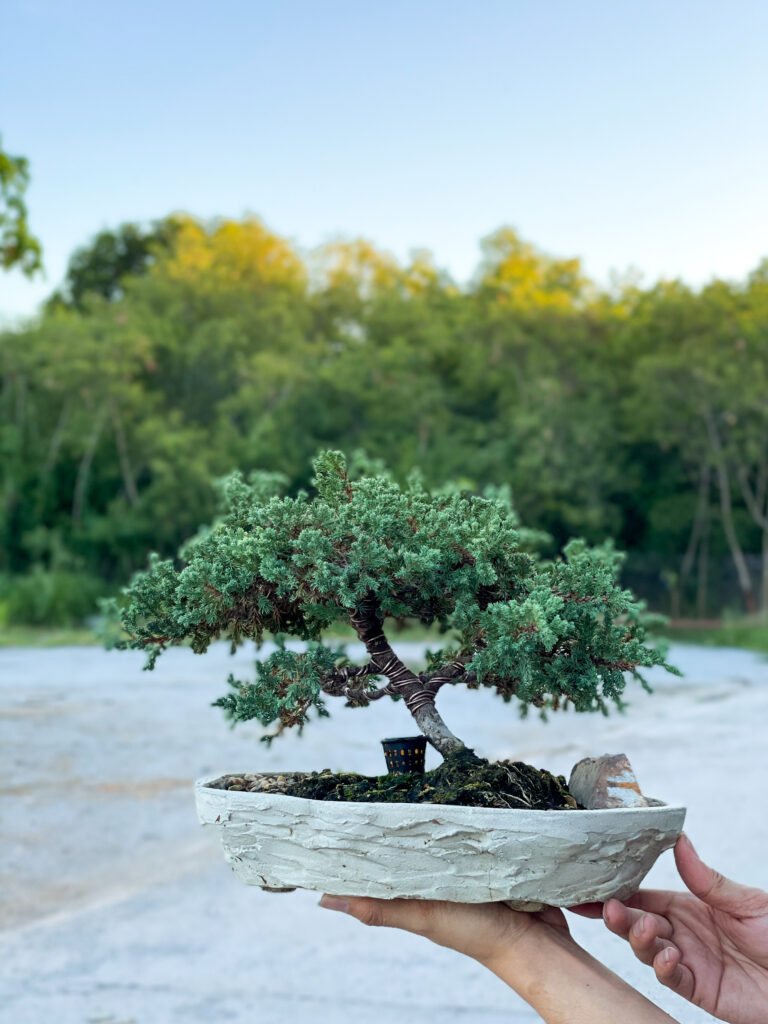
Bonsai Trees: The Art of Growing Miniature Trees at Home
Bonsai trees are more than just plants—they are a beautiful form of living art. Originating from ancient Asian gardening traditions, bonsai represents patience, creativity, and harmony with nature. These miniature trees bring the beauty of full-sized trees into a compact form, making them perfect for homes, offices, and small gardens.
For plant lovers and gardening enthusiasts, growing a bonsai tree can be a rewarding experience. With proper care and attention, these elegant plants can live for many years while adding charm and tranquility to your surroundings.
What Is a Bonsai Tree?
A bonsai tree is a miniature version of a regular tree that is carefully trained and pruned to grow in a small container. The word “bonsai” means “planted in a container”, and the goal is to create a natural-looking tree in a compact size.
Bonsai trees can be made from many plant species, including ficus, juniper, and pine varieties. Through careful pruning, wiring, and shaping, gardeners create stunning miniature landscapes that resemble mature trees found in nature.
Why Bonsai Trees Are Popular
These have become popular worldwide because they combine natural beauty with artistic design. Unlike ordinary houseplants, bonsai trees are carefully shaped and maintained to reflect balance and harmony.
Some reasons people love bonsai trees include:
- They add elegance and style to homes and offices
- Perfect for small spaces and indoor decoration
- Encourage patience and mindfulness while caring for them
- Create a calm and peaceful atmosphere
Their unique appearance makes them a centerpiece wherever they are placed.
Basic Care Tips for Bonsai Trees
Although bonsai trees look delicate, they can thrive with proper care. Understanding their basic needs helps keep them healthy and attractive.
1. Sunlight
Most bonsai trees require plenty of natural light. Place them near a bright window or in a sunny outdoor area depending on the plant species.
2. Watering
Bonsai trees should be watered regularly but not excessively. The soil should remain slightly moist, but overwatering can damage the roots.
3. Pruning
Pruning is an essential part of bonsai care. Trimming branches and leaves helps maintain the tree’s shape and encourages healthy growth.
4. Soil and Fertilizer
Use well-draining soil designed for bonsai plants. Occasional fertilization provides the nutrients needed for healthy development.
The Artistic Side of Bonsai
Growing bonsai trees is not just gardening—it is also an art form. Gardeners carefully shape the branches using techniques such as pruning and wiring to create different styles.
Some popular bonsai styles include:
- Formal upright style – straight and balanced growth
- Informal upright style – slightly curved trunk for a natural look
- Cascade style – branches flow downward like a waterfall
- Forest style – multiple trees planted together to resemble a small forest
Each bonsai tree becomes a unique masterpiece shaped by its caretaker.
Benefits of Growing Bonsai Trees at Home
Adding a bonsai tree to your home offers many benefits beyond decoration.
- Enhances interior beauty and aesthetics
- Helps create a peaceful and relaxing environment
- Encourages mindfulness and patience
- Perfect for indoor gardening lovers
- Ideal for limited spaces and apartments
Taking care of a bonsai tree can also become a relaxing hobby that connects you with nature.
Bring the Beauty of Bonsai Into Your Home
These are beautifully combine nature, patience, and creativity. Whether placed in a living room, office desk, balcony, or garden corner, these miniature trees bring elegance and serenity to any space.
At Sri Shiva Hari Ayyappa Nursery, we offer healthy, carefully nurtured bonsai plants that are perfect for beginners and experienced gardeners alike. Our team provides guidance to help you select and care for the right bonsai tree for your home.
Start your bonsai journey today and enjoy the timeless art of growing miniature trees.